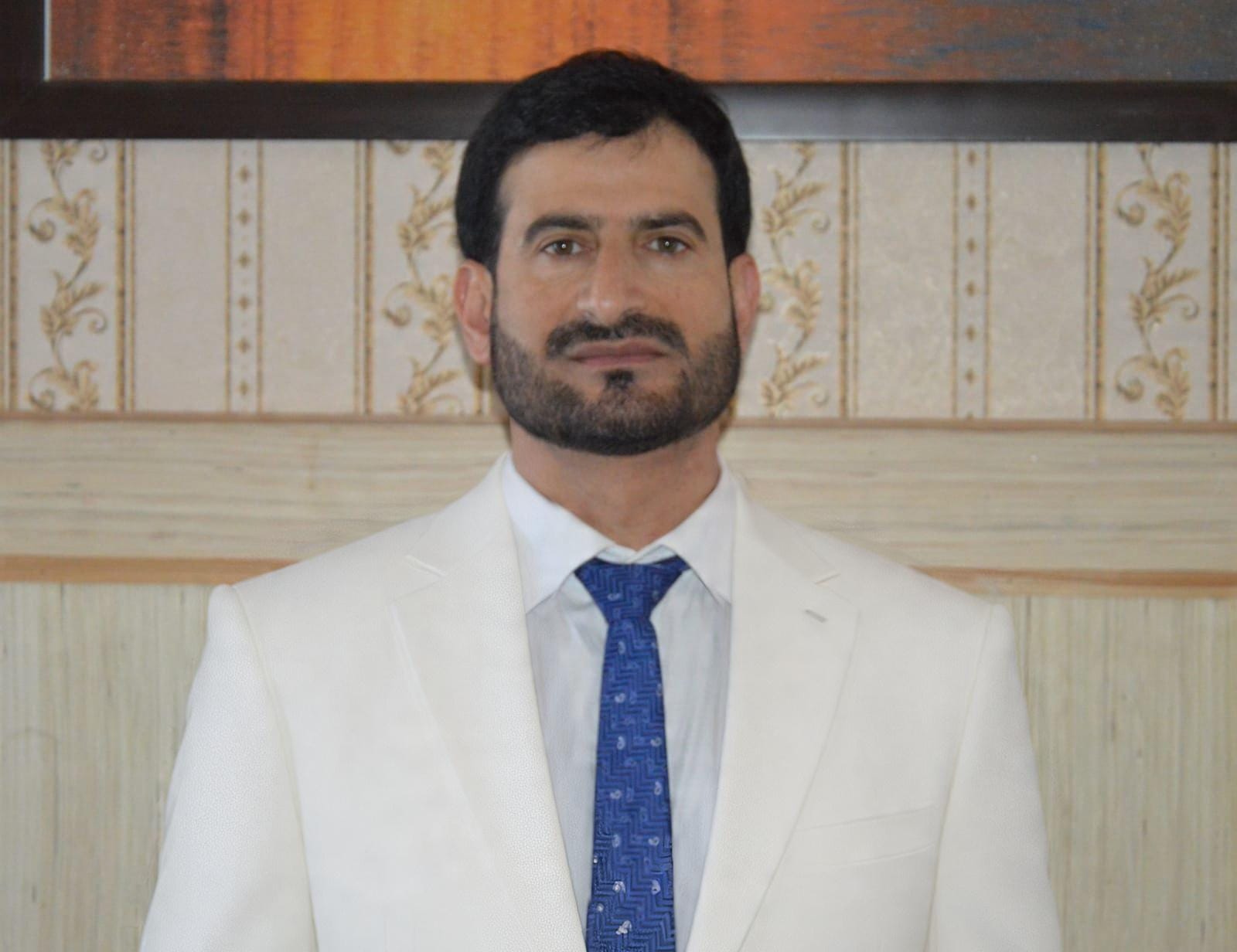

Imran Shah: A Survivor, Strategist and Strong Grassroots Leader from Anantnag
Imran Shah: A Resilient Voice in South Kashmir Politics.
Anantnag: Imran Amin Shah is a seasoned political figure from South Kashmir Anantnag District, recognized for his long-standing presence in the regional political landscape and his survival through the peak of local unrest. Hailing from the Dialgam area of Anantnag district, Shah’s career spans over two decades, marked by strategic party transitions and a commitment to grassroots representation.
Shah entered the political arena in 2000, joining the Jammu & Kashmir Peoples Democratic Party (PDP). His early years were defined by organizational growth, where he served as the Zonal President from 2004 to 2008. His influence within the youth demographic grew significantly between 2009 and 2018, during which he held the position of Parliamentary President for the Youth Wing in South Kashmir.
Beyond his legislative and organizational pursuits, Shah’s life has been impacted by the volatile security situation in the region. In 2008, he narrowly escaped a life-threatening militant attack targeting his residential home at dialgam Anantnag. The incident led to an formal FIR being registered at the Anantnag Police Station, highlighting the personal risks he has navigated while maintaining a public profile.
In 2018, after nearly two decades with the PDP, Shah parted ways with the party to test his individual standing. He contested the District Development Council (DDC) elections from the RDD Anantnag block. In a closely watched race, he showcased significant local support, ultimately losing by a narrow margin to the PDP’s district president.
Unlike many career politicians, Shah brings a blend of business acumen and theoretical political knowledge to his work, shah persuade Bachelor’s in Business Administration (BBA) and Master’s in Political Science.
Known for his deep roots in Dialgam and his extensive experience in youth mobilization, Imran Amin Shah remains a pivotal figure in South Kashmir’s Anantnag district. His transition to the National Conference reflects his continued influence in district politics and his focus on addressing the administrative and social needs of the Anantnag constituency.
About The Author