
No Shame in Periods: Society Must Support Women and Girls Through Awareness
Menstruation Periods and Sanitary Pads: Breaking the Silence Through Awareness, Faith, and Education
By:- Aijaz Rather
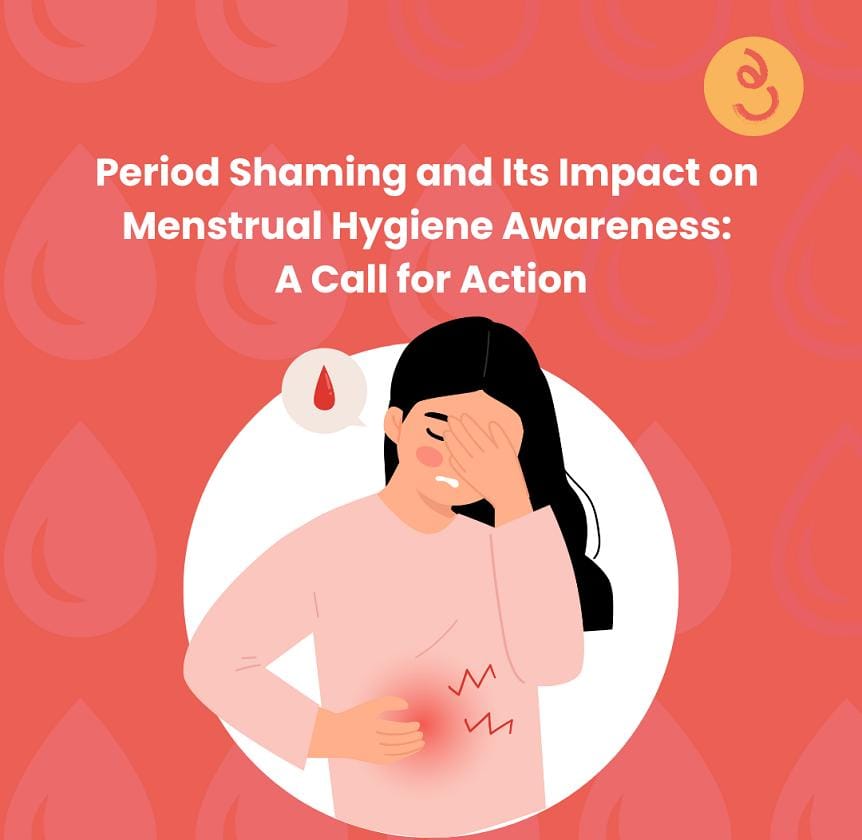
Srinagar 15/03/2026 (JKNN) Menstruation is a natural biological process experienced by women across the world, yet in many societies it continues to remain surrounded by silence, stigma, and unnecessary shame. Experts and social observers emphasize that awareness about menstruation and the use of sanitary pads must be openly discussed among men, women, and children alike so that the topic is understood as a normal part of life rather than something to hide.
In many communities, people still hesitate to speak about menstruation or even feel embarrassed while purchasing or carrying sanitary pads, often covering them in newspapers or bags to avoid attention. Social activists say such practices reflect a lack of awareness and highlight the need for education and open conversations.
From an Islamic perspective, menstruation is acknowledged as a natural and normal condition for women. The Holy Qur’an mentions it in Qur’an in Surah Al-Baqarah (2:222), where it states that menstruation is a natural state and provides guidance for believers regarding cleanliness and conduct. Scholars often note that the fact that the topic is clearly addressed in Islam shows that it should not be treated with shame but with understanding and respect.
Health educators stress that parents should educate their children—both boys and girls—about menstruation at an appropriate age. Such knowledge helps remove misconceptions, promotes hygiene, and ensures that young girls are prepared for their first period without fear or confusion.
The issue has also been discussed at the national level. In recent years, awareness about menstrual hygiene has been raised in the Parliament of India, where policymakers and activists have highlighted the need for better access to sanitary products, menstrual education in schools, and an end to social stigma.
Under the principles of the Constitution of India, every citizen has the right to dignity, health, and equality. Advocates argue that menstrual awareness and access to sanitary hygiene products are essential aspects of these rights, particularly for women and girls.
Public health experts say that normalizing conversations around menstruation can significantly improve women’s health and social confidence. They also emphasize that society must move away from treating the topic as taboo and instead promote open dialogue, education, and compassion.
“Menstruation is not something to be ashamed of. It is a natural part of life and must be understood with respect and awareness,” health educators say, urging communities to encourage discussions in homes, schools, and public platforms.
Raising awareness about menstruation and sanitary hygiene, they add, is not only a matter of health but also of dignity, equality, and social progress.
Importance of Awareness
Experts say menstrual awareness should begin at home and in schools. Parents and teachers should educate children about menstruation so that young girls do not experience fear or confusion when they first get their periods. Boys should also be informed so they develop respect and understanding rather than misconceptions.
Health and Hygiene
Proper menstrual hygiene is essential for women’s health. The use of sanitary pads or other safe menstrual products helps prevent infections and ensures comfort during periods. Health professionals advise regular changing of sanitary pads, proper disposal, and maintaining personal hygiene to avoid health complications.
Role of Education
Education plays a vital role in removing myths related to menstruation. Many girls in rural or underprivileged areas still lack access to accurate information and sanitary products. Awareness campaigns and school programs can help bridge this gap and empower young women.
Islamic Perspective
Islam recognizes menstruation as a natural condition for women. The Qur’an clearly mentions menstruation in Surah Al-Baqarah (2:222), providing guidance about cleanliness and conduct during this time. Religious scholars say that since the topic is openly discussed in Islam, society should not treat it with shame but with understanding and respect.
Policy Discussions in India
Menstrual hygiene has also been discussed at national platforms including the Parliament of India, where lawmakers and activists have emphasized the need for improved menstrual awareness, better sanitation facilities in schools, and affordable sanitary products for women.
According to the principles of the Constitution of India, every citizen has the right to health, dignity, and equality. Advocates argue that ensuring menstrual hygiene and breaking the stigma around menstruation is part of protecting these fundamental rights.
Social Change Needed
Social observers say society must change its mindset and stop treating menstruation as a taboo. Women and girls should not feel embarrassed about a natural biological process. Open discussions in families, educational institutions, and public platforms can help normalize the conversation.
Encouraging Open Dialogue
Experts suggest community awareness programs, health camps, and media campaigns to educate people about menstruation. Such initiatives can help remove myths, support young girls, and encourage a healthier and more informed society.
Promoting menstrual awareness, they add, is not only a health issue but also a matter of dignity, equality, and respect for women in society. By breaking the silence and spreading knowledge, communities can create a more supportive environment where menstruation is understood as a normal and natural part of life.
Another important aspect related to menstruation is workplace support for women during their menstrual periods. In several countries, women employees are provided special menstrual leave to help them cope with severe pain, cramps, and discomfort that may occur during this time. Health experts believe such policies help women maintain both their health and productivity at work. In India, however, menstrual leave has not yet been widely implemented at the national level, although the matter has been discussed in the Parliament of India from time to time. Many social activists and policymakers argue that the government should seriously consider introducing menstrual leave for female employees. They say that recognizing menstrual health is an important step toward ensuring dignity, equality, and better workplace conditions for women, which also aligns with the values guaranteed under the Constitution of India. Providing such leave would acknowledge the natural biological challenges women face and create a more supportive and inclusive working environment.
(JKNEWS NATION)
About The Author