
Miles Away This Eid: The Untold Story of Ambition and Loneliness
The Quiet Inheritance of a Restless Generation: Eid Without Home
We are raising a generation that inherits ambition before it inherits peace. In our homes, children grow up listening not to lullabies but to conversations about targets, transfers, postings, and pay scales. Success is no longer a milestone; it is a moving horizon that shifts just as we approach it. Stability feels temporary, and satisfaction almost suspicious. We have normalised exhaustion and renamed it dedication, as though fatigue were a badge of honour rather than a warning.
The modern adult stands at a quiet but consequential crossroads: is it better to remain close to loved ones and live modestly, or to travel far in pursuit of livelihood and promise them a more secure future? The dilemma is not new, yet its intensity has deepened. Economic pressures, rising aspirations, and the persistent fear of “falling behind” have transformed what was once a personal choice into a social compulsion. Migration has become routine, and distance a measure of sacrifice. To stay back is often seen as settling; to leave is seen as striving.
Yet beneath this visible progress lies an invisible cost. It appears not in balance sheets but in hospital corridors, where individuals between the ages of thirty-five and forty-five are increasingly wheeled into emergency rooms with cardiac and stress-related conditions.
One does not need statistics to feel the shift. It is visible in the colleague who seems perpetually tired, in the parent who postpones medical check-ups, in the friend who dismisses chest discomfort as mere fatigue, until it is no longer dismissible. These are not isolated incidents; they are patterns quietly emerging around us.
The reasons are neither sudden nor mysterious. Chronic stress without emotional release, sedentary work patterns, processed diets replacing home-cooked meals, and sleep treated as a negotiable luxury rather than a biological necessity have gradually restructured modern living. Added to this is the psychological strain of living away from one’s support systems, where distance is not merely geographical but often emotional. The heart, strained by miles and by silence, begins to carry more than it was designed to bear.
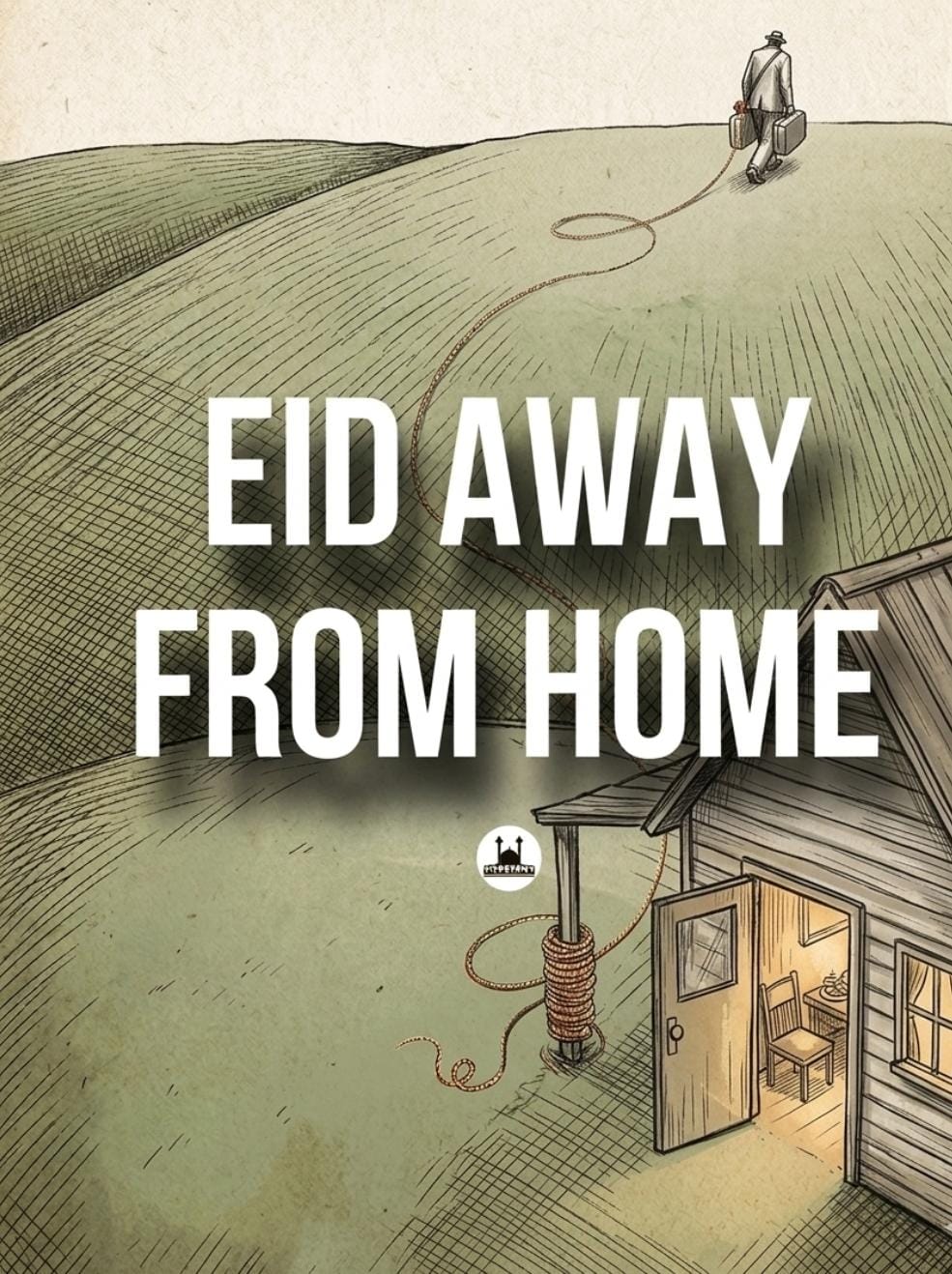
And perhaps nowhere is this distance felt more deeply than during festivals like Eid. Homes are lit, meals are prepared, and traditions are observed, but an absence lingers quietly in the background. Many celebrate with voices over phone calls and smiles through screens, carrying on rituals that were meant to be shared in presence. It is a form of displacement that often goes unnamed, chosen, even justified, but deeply felt. Unlike displacement caused by war or calamity, which is seen, acknowledged, and often temporary, this distance born out of livelihood stretches indefinitely, with no promised return to permanence.
There is a well-known saying that one must travel even to distant lands in the pursuit of knowledge. Yet, that wisdom was never meant to endorse a life of permanent separation in pursuit of livelihood. Seeking knowledge expands the mind; but a life spent away risks quietly shrinking the emotional spaces that sustain us.
Parents, perhaps, feel this most profoundly. They rarely articulate the pain of their children living far away, not because it does not exist, but because love often chooses silence over imposition. They do not wish to stand in the way of opportunity, even if it comes at the cost of their own longing. But the question lingers unspoken: can occasional visits, hurried vacations, or even missed emergencies truly nurture the parent–child bond? Can a phone call, however frequent, replace the comfort of a shared meal, a familiar presence, or even a simple embrace? Some distances cannot be measured in miles; they are felt in moments that never occur.
The tragedy is that these are not reckless lives undone by indulgence. They are responsible lives shaped by duty. These are parents striving for better education for their children, professionals managing loans taken to build homes they scarcely inhabit, individuals who measure their worth through the weight of their responsibilities. Their bodies do not collapse from excess pleasure but from relentless pressure. The burden they carry is not extravagance, but expectation.
The solution does not lie in retreating from ambition, but in redefining it. Balance must be restored as a legitimate marker of success rather than mistaken for complacency. Workplaces must evolve humane rhythms that respect rest as much as productivity. Families must learn to value presence alongside provision. Preventive healthcare, physical activity, and mental well-being must be integrated into daily life rather than deferred until crisis. Above all, we must dismantle the silent glorification of burnout that equates overwork with virtue.
Prosperity that costs one’s health is not prosperity. Earning a livelihood should not come at the cost of losing one’s life. A society that measures achievement solely in financial terms eventually pays the deficit in hospital bills and unspoken grief.
The inheritance we must consciously choose to pass on is not restlessness, but resilience; not constant acceleration, but sustainable growth; not success that is chased endlessly, but a life that is lived fully.
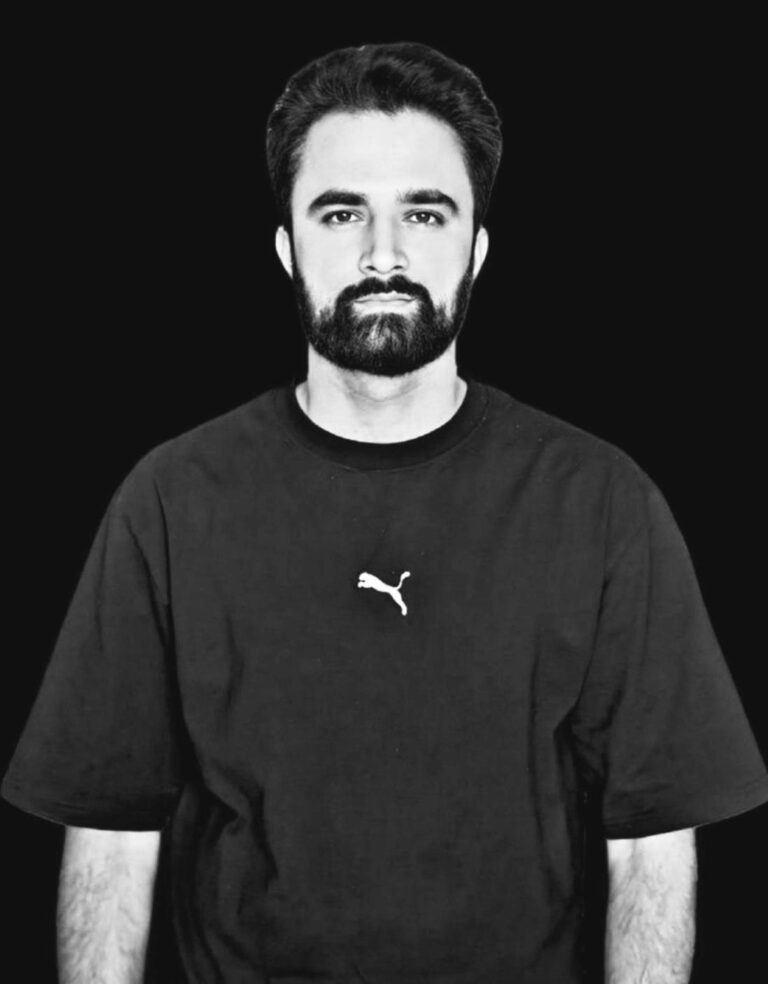
The author is an advocate by profession and can be reached at aasifrathore@gmail.com
About The Author