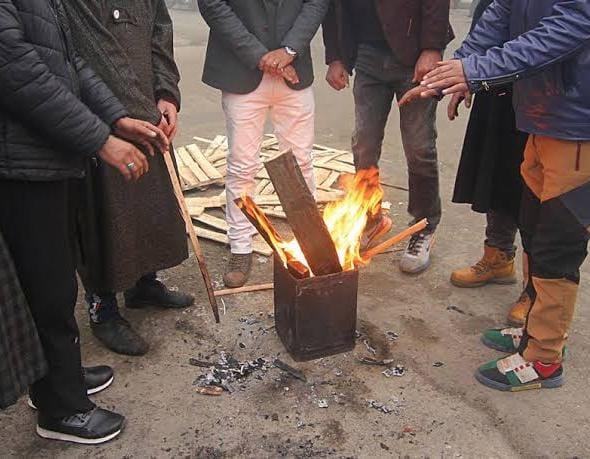
When Warmth Turns Risky: Kashmir’s Winter Beauty Demands Vigilance, Not Carelessness
Let Us Safeguard Lives and Homes While Braving Brewing _Teer_ and Whispering Drafts: Stay Warm, Risk-Free and Fire-Free
By:- FJ – Aijaz Rather
The essence of winter is spreading its notes to every nook and winding creek of Kashmir. Autumn sacrifices hues of leaves and branches, but not in vain, as locals transform them into useful biomass charcoal. Seesaw dust shines under the sun and is treasured more than stardust, as it prepares itself to blaze the warming and charming kan-girrrr!
Winter brings hidden treasures to our valley, enriching both spirit and soil, as the kangir, waits to cradle its glowing embers, promising warmth in the face of brewing teer and whispering drafts. The blanket of snow not only shields the land but also softens sorrow. From _sheen sharth_ to _harissa feasts_ and snowball skirmishes ( _sheen-jung_ ), everything is draped in picturesque scene, carved in snow, wrapped in laughter, and glowing with the fire of warmth and togetherness.
As we prepare to embrace the winter with warmth, an important question arises:
Are we and our homes truly safe?
Winter transforms the valley into a paradise, but it also presents unique safety challenges. Whether you are a resident, tourist or an adventurer, practicing vigilance and preparedness is crucial to enjoy the season safely.
After all, every life matters and is precious!
The most pressing concerns include fire hazards, electrical vulnerabilities, cold-related health issues, and travel complications, the spectrum of danger extends further, often silently.
In the winter of 2024, Kashmir witnessed a significant rise in fire incidents, many of which were directly linked to the unsafe use of heating appliances. While exact district-wise numbers are still being compiled, officials from the Fire & Emergency Services Department confirmed a marked spike in cases during the colder months.
On January 21, 2024, one particularly devastating incident was reported in Abi Gurpora, Rainawari (Srinagar) during peak winter. It destroyed 18 residential structures, leaving over two dozen families homeless.
Fire Hazards
Kangris, bukharis, and biomass stoves are vital but risky if left unattended or placed near flammable items. Charcoal stored carelessly adds to the danger.
Safety Tips:
Use heating devices on stable surfaces, away from curtains and bedding. Store charcoal in sealed containers. Turn off all heating units before sleeping. Ensure ventilation when using LPG or kerosene heaters. Remove LPG cylinders from bedrooms at night. Avoid storing dry grass or wood near living areas. Handle kangris with care, especially around children. Keep sand or a fire extinguisher nearby.
Electrical Safety
Winter moisture weakens wiring. Exposed cables, outdated systems, and overloaded sockets can cause fires or electrocution. Power cuts lead to risky alternatives like candles and oil lamps.
Safety Tips: Get wiring checked and replace damaged cables. Avoid overloading sockets. Use certified appliances and battery-powered lamps. Install surge protectors, MCBs (Miniature Circuit Breaker), and ELCBs (Earth Leakage Circuit Breaker)
Cold-Related Health Risks
Extreme cold in Kashmir, especially during Chillai Kalan, can lead to hypothermia, frostbite, and respiratory illnesses. Children, elderly, and those with limited mobility are particularly vulnerable. Poorly insulated homes allow cold drafts to seep in, weakening immunity. Indoor smoke from biomass fuels, when combined with blocked ventilation, can trigger asthma, bronchitis, and other chronic conditions.
Safety Tips:
Seal gaps around windows and doors using cloth, foam, or plastic sheets to retain warmth. Use heating devices in well-ventilated rooms to prevent smoke buildup. During Chillai Kalan, wear at least four layers of clothing, including woollen socks, insulated boots, mittens, and a cap. Stay hydrated, consume warming foods and kahwa , and use moisturizers and sunglasses to protect against dry air and snow glare.
Travel
Winter travel across Kashmir is scenic but unpredictable. Snow-covered roads, black ice, and dense fog reduce visibility and traction, increasing the risk of accidents. Tourists, locals and adventurers alike may face delays, isolation, or difficulty navigating unfamiliar terrain.
Safety Tips: Always check weather forecasts and road advisories before travel. Equip vehicles with snow chains, full fuel tanks, and emergency kits (blankets, water, food, flashlight, first aid). Avoid remote areas without local guides. Book heated accommodations in advance and prepare for possible power cuts. Keep phones charged and emergency contacts saved. Respect local advice and delay travel during heavy snowfall.
The Divisional Administration issues regular advisories. Safety is a shared duty, follow protocols to protect lives and preserve Kashmir’s winter charm.
Winter in Kashmir is not merely a season; it is a living poem written in snowflakes and silence. But beauty alone cannot shield us. Beneath the hush of snowfall and in the glow of kangir lies a call to vigilance. For every ember that warms, every journey that begins, and every home that shelters, let safety be the thread that binds them all.
Stay safeguarded, till again we meet and say:
wandi choul; sheen ghoul beyi aaw bahaaar!’
(JKNEWS NATION)
READ ALSO:
About The Author